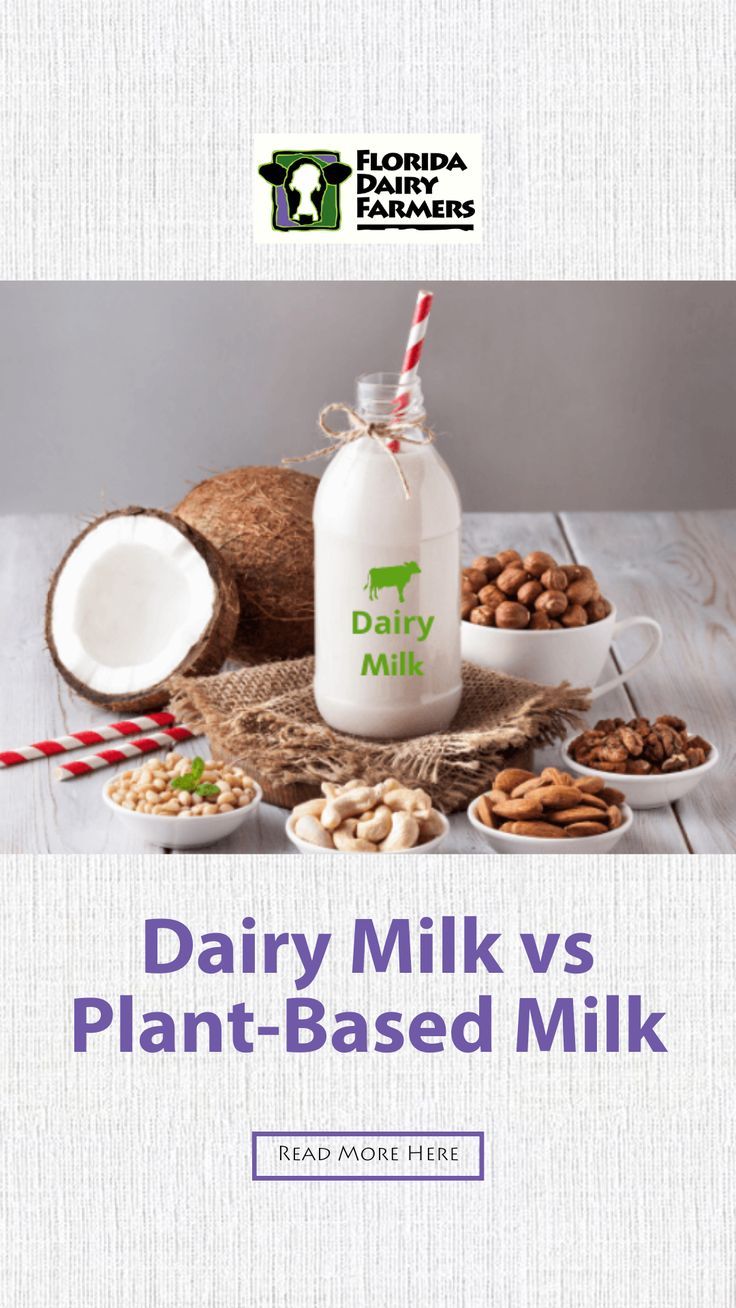
Dairy vs. Plant-Based: Your Essential Guide to Banana Milk Drinks
Once a niche beverage, banana milk has surged in popularity, captivating taste buds worldwide with its distinctive sweet and creamy profile. Whether you're reminiscing about childhood treats or exploring new dietary options, this comforting drink offers a delightful escape from the ordinary. But as our dietary landscapes evolve, so do our choices. Today, the world of banana milk isn't just about traditional dairy; it's a vibrant spectrum including an array of plant-based alternatives. This guide will walk you through the delightful nuances of both dairy and plant-based banana milk, helping you navigate your options and find your perfect pour.
The Enduring Appeal of Dairy Banana Milk
For many, the mention of banana milk instantly conjures images of the iconic Korean Binggrae Banana Flavored Milk Drink. This beloved beverage exemplifies the classic dairy banana milk experience. Made with fresh milk, sugar, and often high-quality artificial banana flavor, it delivers an authentic and undeniably satisfying taste. Its hallmark is a wonderfully creamy and smooth texture that glides over the palate, making it a perfect quick snack or a refreshing pick-me-up any time of day.
Traditional dairy banana milk harnesses the natural richness of cow's milk, providing a robust base that complements the fruit's sweetness. This combination results in a full-bodied drink with a comforting mouthfeel. Beyond its delicious taste, dairy milk naturally offers essential nutrients like calcium, protein, and vitamin D, contributing to bone health and overall well-being. The sugar content in these drinks typically enhances the flavor profile, creating that familiar, almost nostalgic sweetness that makes banana milk so appealing. While some brands might use natural banana purée, many rely on carefully crafted flavorings to ensure a consistent taste and extended shelf life, replicating the fruit's essence without the texture of real banana pulp.
The cultural impact of dairy banana milk, particularly in Asia, cannot be overstated. It's more than just a drink; it's a staple, a comfort, and a taste of home for many. Its widespread availability and consistent quality have solidified its place as a go-to beverage for all ages. The convenience of pre-packaged dairy banana milk makes it an ideal choice for busy mornings, lunchboxes, or a post-workout refreshment.
Exploring the World of Plant-Based Banana Milk Alternatives
In response to growing demand for dairy-free options, the market for plant-based banana milk has blossomed. These innovative alternatives offer the same delightful banana flavor but are crafted from a variety of non-dairy sources, catering to vegans, those with lactose intolerance, or anyone simply looking to diversify their diet. Common bases for plant-based banana milk include almond, oat, soy, and coconut, each imparting its own subtle characteristics to the final product.
- Almond Banana Milk: Often lighter in consistency, almond-based versions provide a delicate nuttiness that pairs surprisingly well with banana. They are typically lower in calories and fat, making them a popular choice for health-conscious consumers.
- Oat Banana Milk: Known for its natural creaminess, oat milk creates a wonderfully smooth and satisfying plant-based banana milk. It often has a slightly sweet, mild flavor that doesn't overpower the banana.
- Soy Banana Milk: Soy milk is a long-standing favorite in the plant-based world, offering a good source of protein. When flavored with banana, it provides a rich, full-bodied drink with a satisfying texture.
- Coconut Banana Milk: For those who love a tropical twist, coconut-based banana milk delivers a unique richness and a hint of coconut flavor, enhancing the overall exotic feel of the beverage.
Plant-based banana milk options are typically fortified with essential vitamins and minerals, such as calcium, vitamin D, and vitamin B12, to match some of the nutritional benefits of dairy milk. The banana flavor in these alternatives can come from natural banana purée, extracts, or a combination of both. Some brands strive for a more natural taste, while others aim for the nostalgic, sweet artificial banana flavor that many associate with the drink.
For those who enjoy a DIY approach, making your own plant-based banana milk at home is surprisingly simple. Blending ripe bananas with your choice of plant milk (almond, oat, soy), a touch of sweetener (like maple syrup or dates), and perhaps a pinch of vanilla extract yields a fresh, customizable drink that's free from artificial ingredients. This allows for complete control over sweetness and consistency, offering a truly personalized banana milk experience.
Dairy vs. Plant-Based: A Head-to-Head Comparison
Choosing between dairy and plant-based banana milk often comes down to personal preference, dietary needs, and flavor expectations. Let's break down the key differences:
Taste and Texture
- Dairy Banana Milk: Renowned for its unparalleled creamy, smooth texture and rich mouthfeel. The dairy fat contributes significantly to this luxurious quality. The flavor is often sweet and robust, leaning towards the classic, sometimes artificial, banana candy taste that many find incredibly comforting. Think of the authentic Korean Binggrae Banana Flavored Milk Drink.
- Plant-Based Banana Milk: Textures can vary significantly depending on the base. Oat milk versions are typically the creamiest, closely mimicking dairy, while almond and rice milk varieties tend to be lighter. Flavors can range from subtly sweet with a hint of the plant base (e.g., nutty almond) to intensely banana-forward, especially when made with real fruit.
Nutritional Profile
- Dairy Banana Milk: Naturally rich in protein, calcium, potassium, and vitamins A, D, and B12. However, it contains lactose and can be higher in saturated fat depending on the milk fat content. Sugar content can also be significant due to added sweeteners.
- Plant-Based Banana Milk: Generally lactose-free and vegan-friendly. Nutritional content varies widely by base and brand. Many are fortified to match dairy's vitamin and mineral profile. Protein content can be lower (almond, rice) or comparable (soy, pea protein), while fat content is usually lower, often with unsaturated fats. Always check the nutrition label for added sugars, which can be just as high as in dairy versions.
Dietary Needs and Preferences
- Lactose Intolerance/Dairy Allergy: Plant-based is the clear winner here, offering a safe and delicious alternative.
- Veganism: Plant-based options align with a vegan lifestyle, as they contain no animal products.
- Specific Nutritional Goals: If high protein is a priority, dairy banana milk or soy/pea protein-based plant milks might be preferred. If lower fat or calorie content is desired, certain almond or rice-based options could be better.
Choosing Your Perfect Banana Milk: Tips and Considerations
With so many options, how do you pick the best banana milk for you? Consider these factors:
- Taste Preference: Do you prefer a rich, creamy, and sweet experience reminiscent of traditional dairy banana milk, or a lighter, perhaps more subtly flavored plant-based version? Don't be afraid to try different brands and bases to find what you love.
- Dietary Restrictions: This is often the primary deciding factor. If you're lactose intolerant, have a dairy allergy, or follow a vegan diet, plant-based options are a necessity.
- Nutritional Goals:
- Sugar Content: Banana milk, both dairy and plant-based, often contains added sugars. Always check the "Sugars" line on the nutrition label. If you're managing sugar intake, look for unsweetened plant-based versions or make your own.
- Protein: If you're looking for a protein boost, traditional dairy banana milk is a good source. Among plant-based options, soy or pea protein-based banana milks usually offer higher protein levels.
- Fortification: Ensure plant-based options are fortified with calcium and vitamin D if you rely on milk for these nutrients.
- Ingredients: Pay attention to the ingredient list. Do you prefer natural banana purée or artificial flavorings? Are there any emulsifiers, thickeners, or preservatives you wish to avoid?
- Versatility: Consider how you'll use your banana milk. Will it be a standalone drink, a base for smoothies, or an ingredient in baking? Creamier options (dairy, oat) tend to perform better in cooking and coffee.
Experimentation is key! Grab a single-serving bottle of a dairy option, then try an almond or oat-based banana milk to compare the textures and flavors side-by-side. You might discover a new favorite or reaffirm your love for a classic.
Ultimately, the world of banana milk offers something for everyone. Whether you gravitate towards the nostalgic, rich creaminess of dairy-based options like the iconic Korean Binggrae, or prefer the innovative, diverse textures and flavors of plant-based alternatives, there's a delicious banana-infused experience waiting for you. By understanding the differences and considering your personal preferences and dietary needs, you can confidently choose the banana milk that perfectly fits into your lifestyle and brings a smile to your face with every sip.
